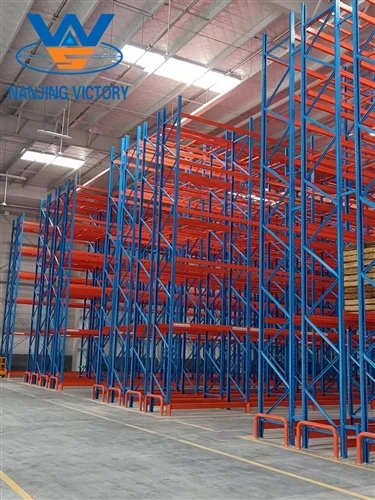
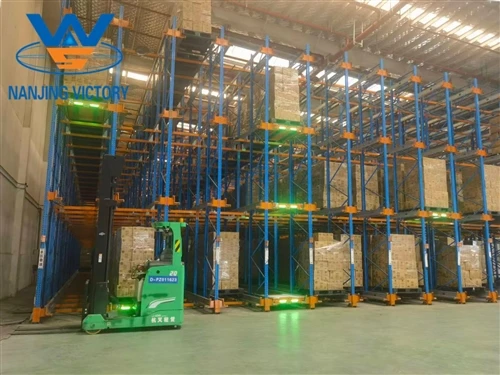
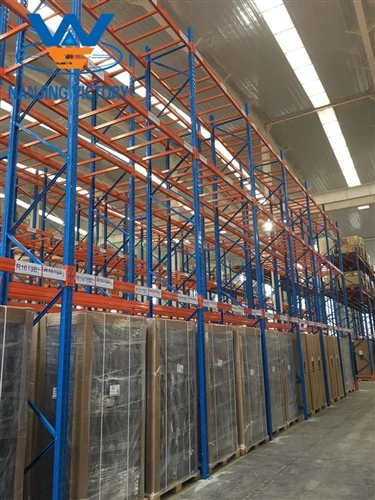
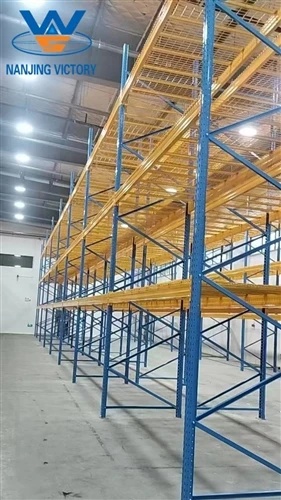
In an era defined by the relentless demand for speed and efficiency, warehouse operators are increasingly turning to advanced automation solutions. Among the most impactful innovations is the Automatic Storage Metal Radio Shuttle Pallet Racking System. The radio shuttle system utilizes a remotely controlled, battery-powered shuttle that travels within the racking structure, autonomously storing and retrieving pallets. This shift from man-to-goods to goods-to-person logistics brings a multitude of benefits that are driving its rapid adoption.
Key advantages include:
1. Maximized Storage Density and Space Utilization: By enabling deeper lanes and higher bays, this system significantly increases storage capacity within the same warehouse footprint, translating to major savings on real estate costs.
2. Unmatched Operational Efficiency and Speed: The automated shuttle operates with precision and speed, drastically reducing load and unload times. This leads to a higher throughput, which is crucial for meeting tight delivery schedules.
3. Enhanced Safety and Reduced Product Damage: With minimal human intervention inside the storage lanes, the risk of accidents and damage to both goods and racking is substantially lowered, creating a safer work environment.
4. Significant Labor Cost Optimization: The system reduces the need for multiple forklifts and skilled operators, allowing human resources to be allocated to more value-added tasks, thus optimizing labor expenditure.
Industry experts agree that the transition to semi-automated and automated storage is no longer a luxury but a necessity for competitive supply chains. The Automatic Storage Metal Radio Shuttle System offers a perfect balance of high performance, reliability, and a favorable return on investment, making it an ideal choice for businesses storing large volumes of pallets.
As warehouses continue to evolve into high-tech hubs, the adoption of intelligent systems like the Automatic Radio Shuttle Pallet Racking System is set to become the new standard, paving the way for a more efficient and resilient future in logistics.